The Carina Nebula is one of the largest nebulae in the sky. Bigger than the Orion Nebula, so is an easy deep sky object to capture here in the Southern hemisphere.
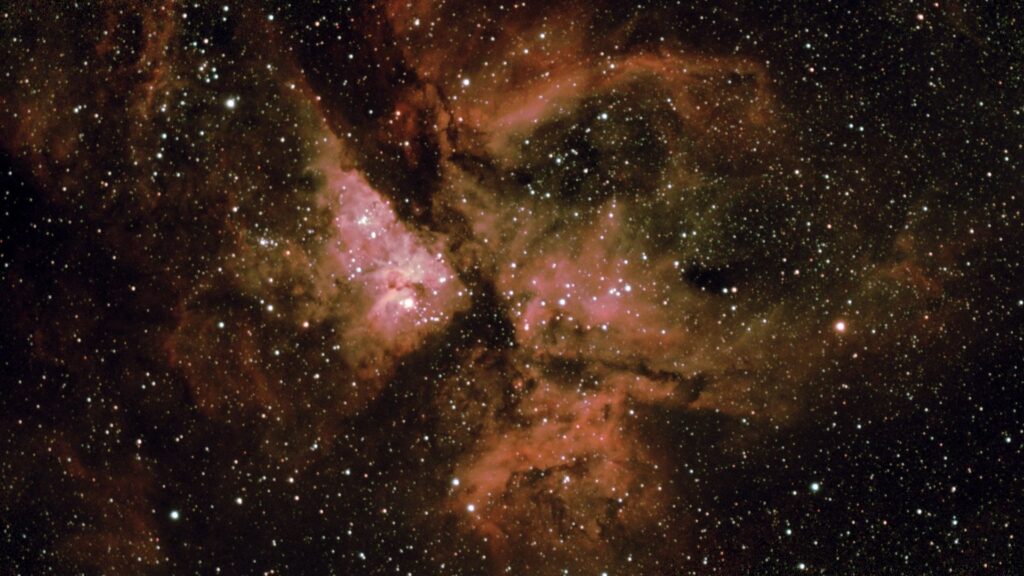
The Carina Nebula is one of the largest nebulae in the sky. Bigger than the Orion Nebula, so is an easy deep sky object to capture here in the Southern hemisphere.
Two weeks of cloud and rain and even a few storms. No opportunity for peering into the universe until Saturday night, when I put out my wee smart scope to capture something, well, astronomically distant.
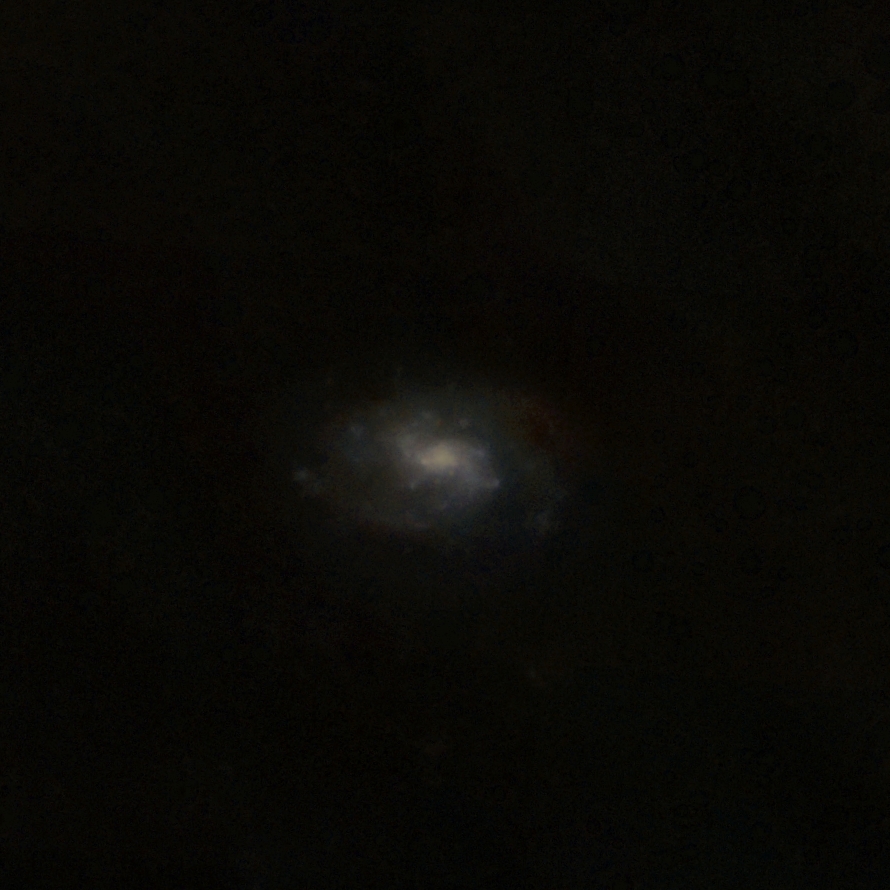
This faint smudge is the Sculptor Pinwheel Galaxy (NGC 300, Caldwell 70). I’m sure with more time on target I can improve the definition of the image, but that’s not the point. This galaxy is 6 million light years away and those photons that hit my sensor started their journey to my backyard long before our species existed.
How many planets are in that image? How much life? How much intelligent life? Are there creatures there who are looking back at the Milky Way wondering the same thing?
These are grand questions to contemplate. I cannot offer any answer. But I do feel more of a part of the cosmos when my mind turns to them.
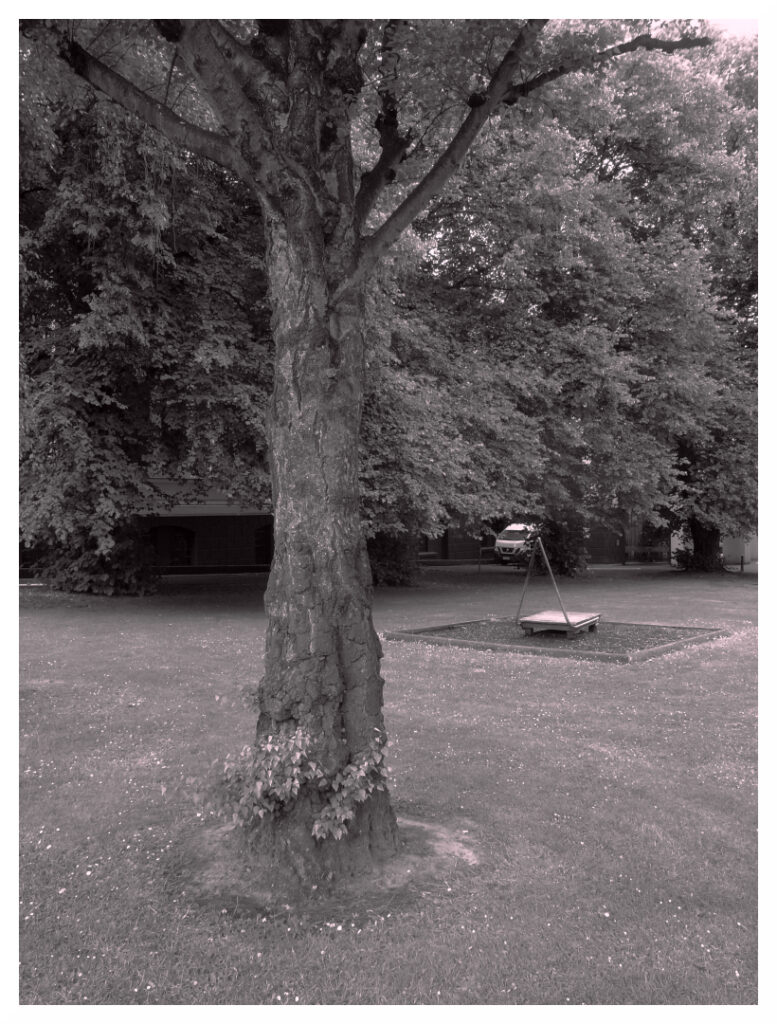
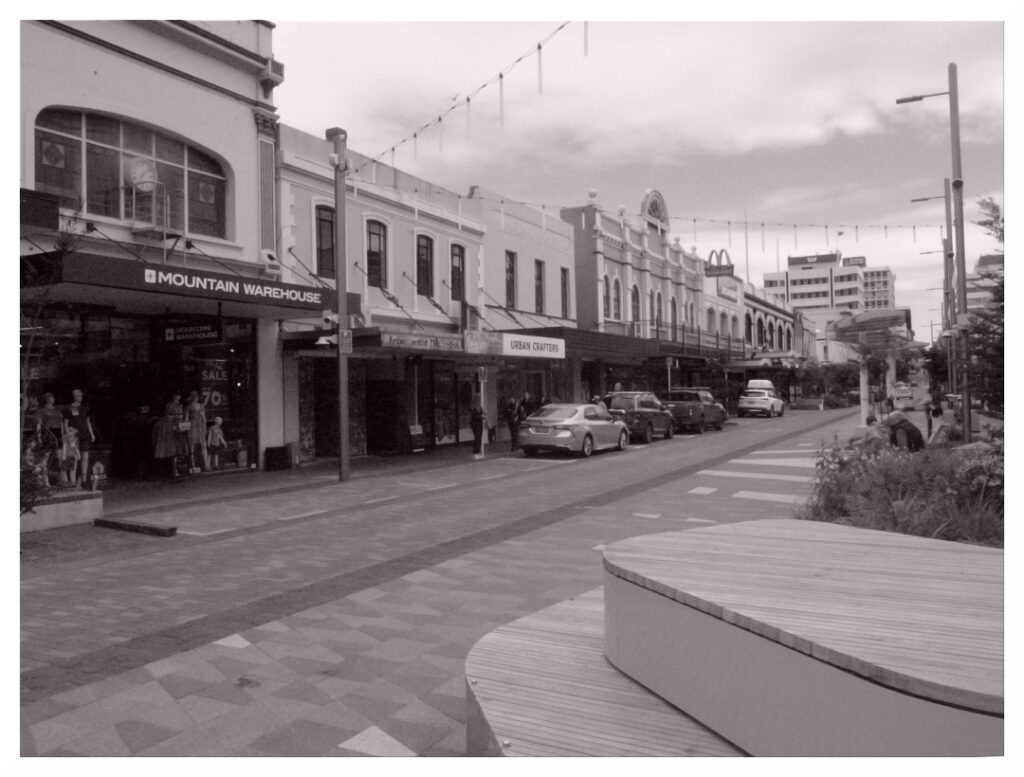
Dunedin was remarkably quiet on Sunday afternoon. Either people are far more organised than me when it comes to Christmas shopping, or the economy is still pretty flaccid.
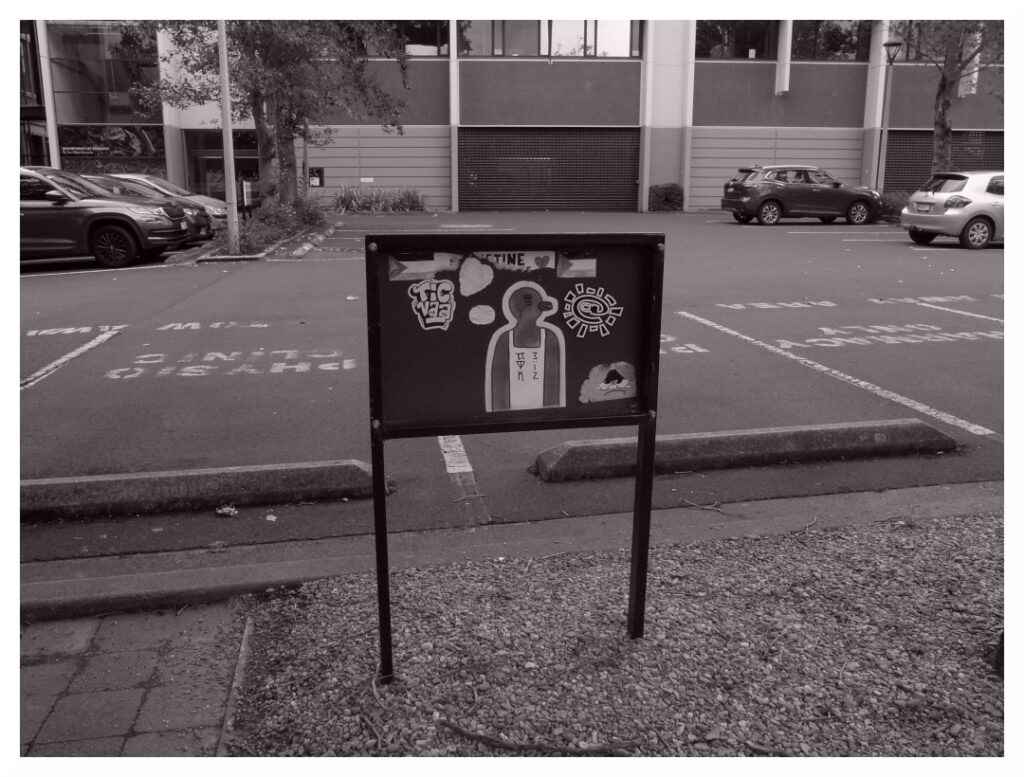
Anyway, I took a small camera – a 2007 Ricoh GRD II and took a few shots. Normally I shoot RAW with the camera, but this time around I shot some warm, almost sepia mono JPEGs. I kind of like them.

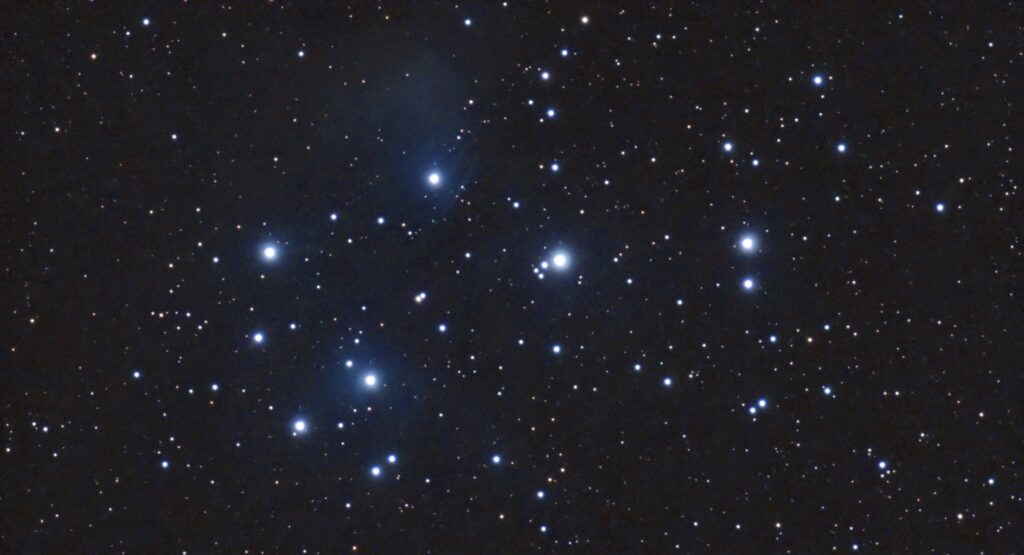
I took some more time to get to know my new bit of kit last night, particularly scheduled shoots. I am going to chalk it up to learning settings, because I had several target shots and none of them came out the best they could. I took a photo of the Pleiades and didn’t really get much of the associated nebulosity. But at least I can find targets and my alignment wasn’t askew.
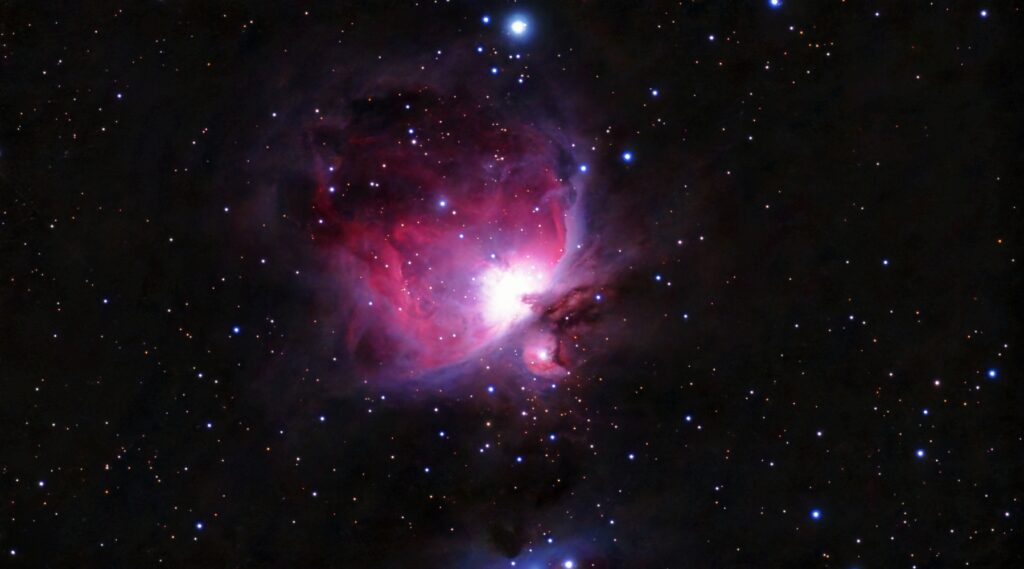
I think it’s the law that a novice deep space object photographer must shoot the Orion nebula. And there were luckily some breaks in the cloud this evening. So here’s my photo. Not bad for a Bortle 5 sky, but the highlights are a little blown out. I think I have to shoot shorter subexposures when it comes to objects like this.
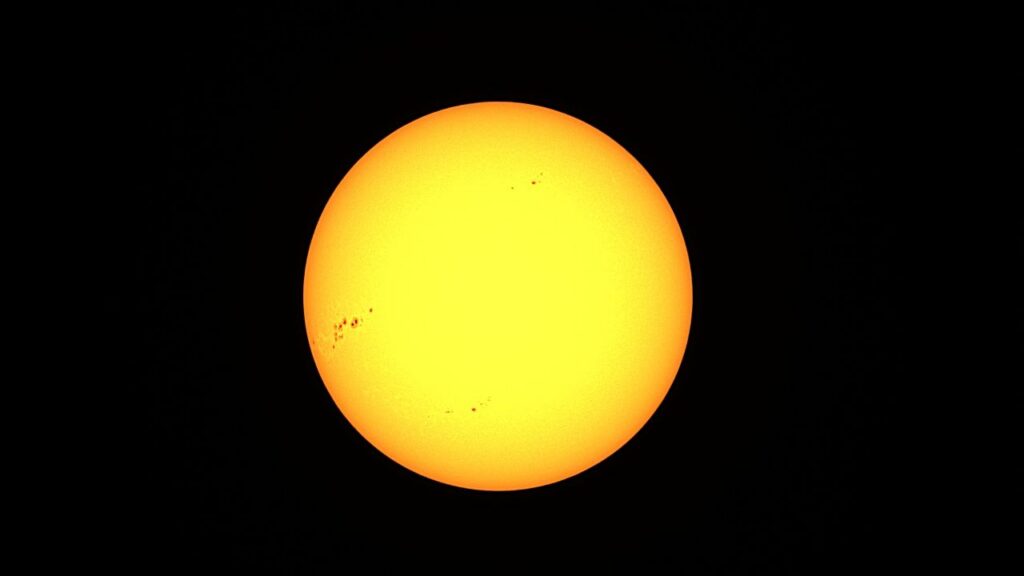
Today I received a little Christmas present I bought myself – a Dwarf Mini Smart Telescope and I promptly took an image of the sun. After giving the clouds a chance to disperse a little.
It seems that we’re going to have cloudy nights for roughly the next week, so you can blame me for that. But you can expect more astrophotography from me.
I had a little bit of a snafu with my server and had to reinstall WordPress from a backup. Which didn’t have the media files on it.
Because I am an idiot.
Over time I’ll repopulate my posts with some images, but it’s been a wee bit of an effort to get back to this stage already.
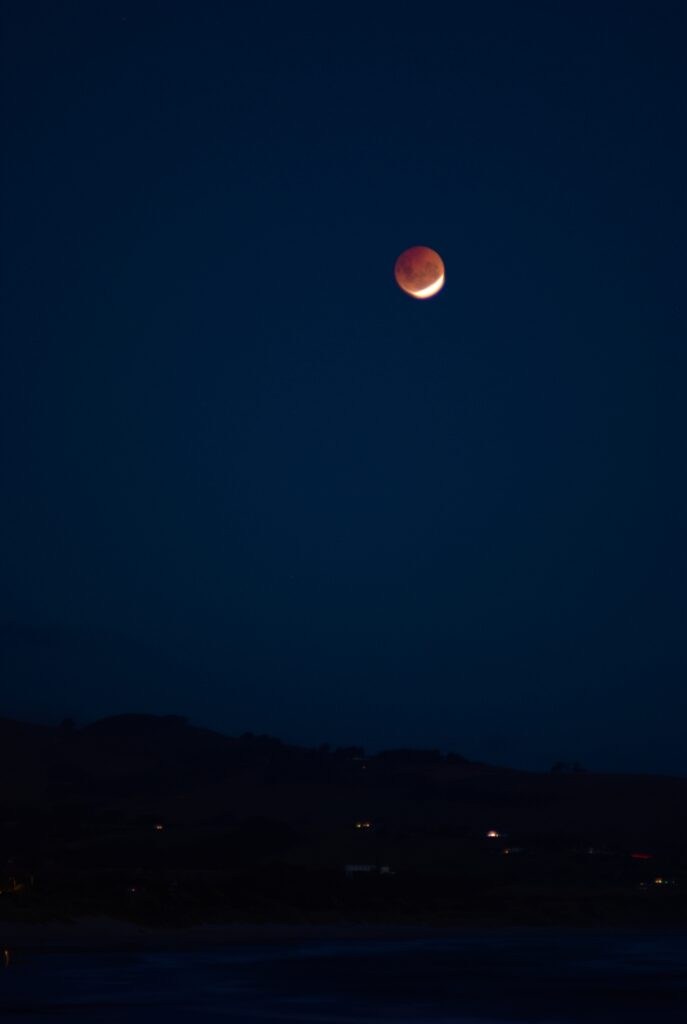
I haven’t been very active in keeping this blog of late, but I really should have posted for September’s partial eclipse. After all I did get up at sparrow-fart and headed to the beach to take some photos. I wasn’t the only person doing that, either.
In October, I went down to the Moray Place entrance to the art gallery to protest the Prime Minister. I have to admit in the moment instead of shouting something like “Justice for Palestine!” or “Pay the nurses!”, my brain kinda shorted out and I just went “Boo!”


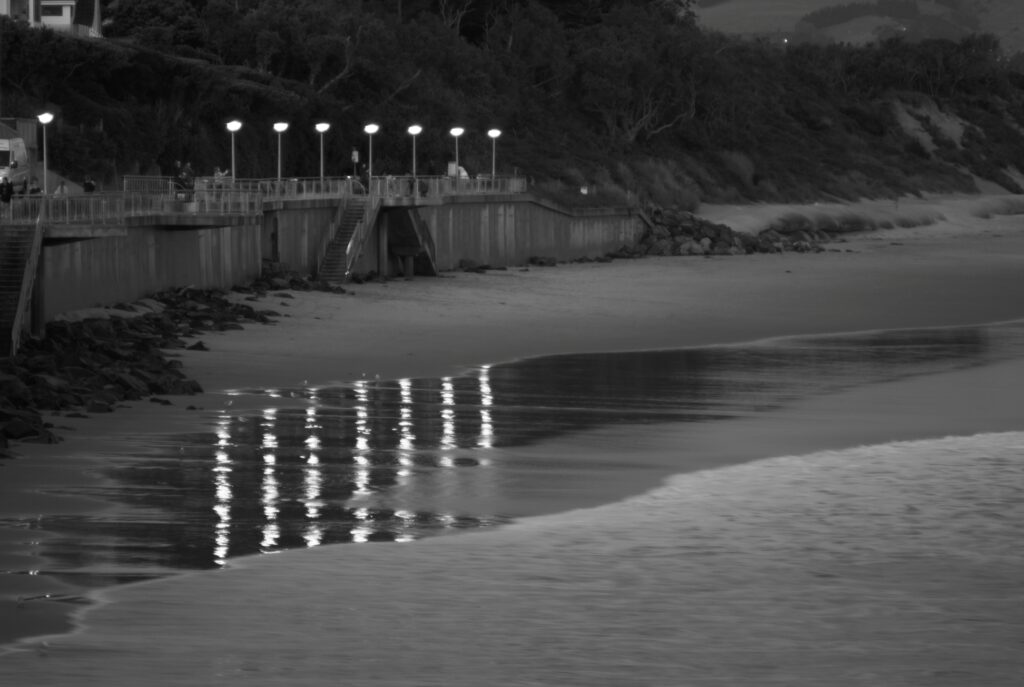
The eclipse was already starting to wane by the time I got to photograph it, but I managed to resolve some of the redness, even so. Here’s a picture of it, and another of St Clair Beach with some interesting lighting.
Both were taken on a Pentax K10D.
I think I’ve found a format that I really like: XPan ratio panoramas in black and white.
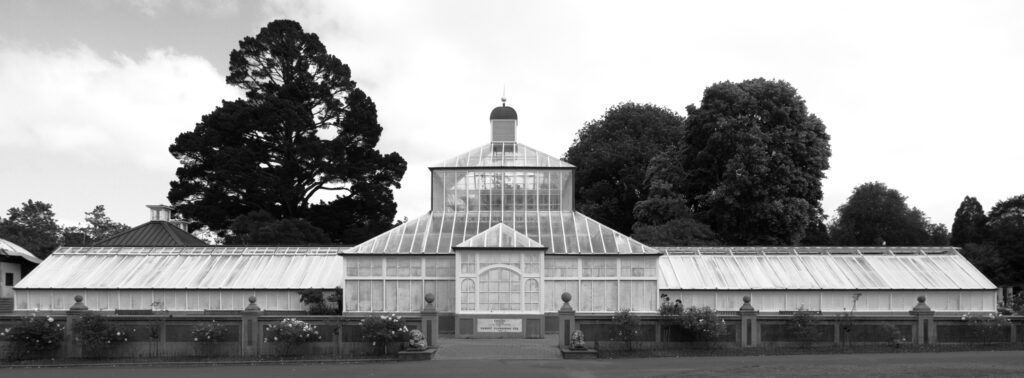
It started with trying out a secondhand lens: the Pentax 15mm f/4. Which on an APSC camera like my Pentax K3 mark iii Monochrome is pleasingly wide. So I made my way down to the Dunedin Botanic Gardens and took this shot of the Winter Gardens there. I often take photos around there. I could never get the whole thing in frame before, but with such a wide lens I got a great shot dead on.
The pitfall was that there was a lot of stuff in the shot I thought didn’t really help and Lightroom’s widest preset crop, 16:9, didn’t really crop out enough. I wanted a standard panoramic crop ratio and I discovered the XPan ratio. XPan was a panoramic film camera developed in a joint venture between Hasselblad and Fujifilm and
I was very pleased with the result.
This made me want to start composing more of my shots using that ratio, but the trouble is my camera only shoots in 3:2. I know some Lumix cameras offer the ratio as a native option, but I’ve got no plans to buy any more gear for a long time yet.

It turns out one of the viewfinder grids in the K3iii, while not being bang-on the ratio, is close enough for composing an image with the crop in mind. By composing in the middle two rows, I can get some great panoramas.
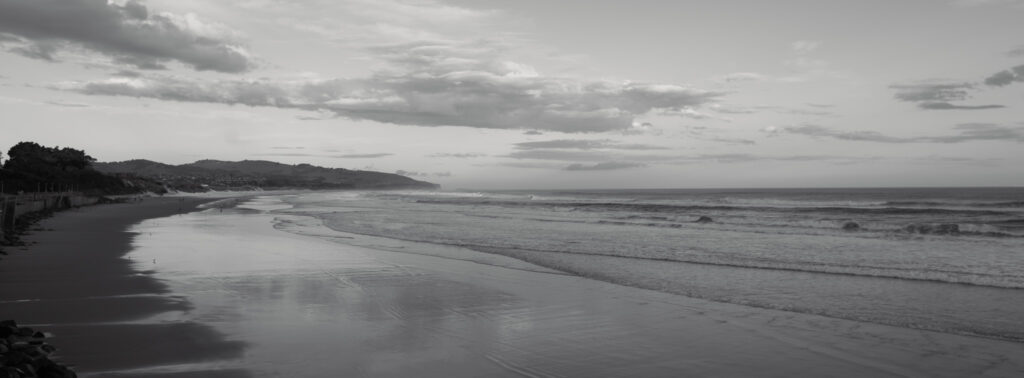
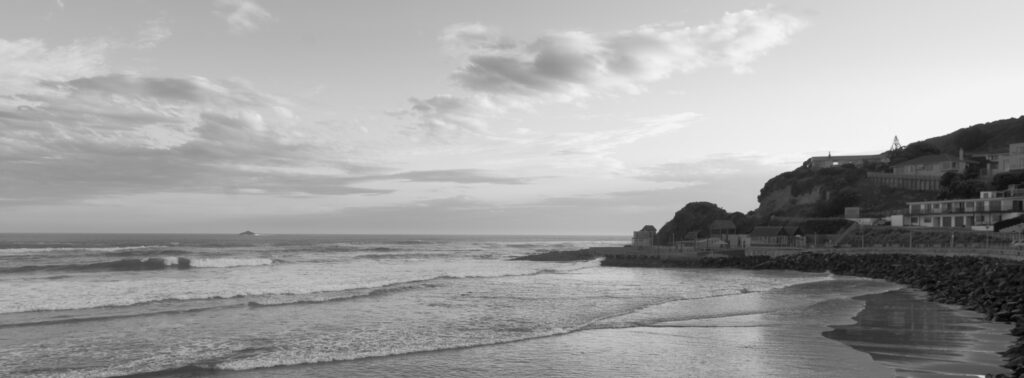
The images themselves end up being 14 megapixels after cropping, so are still very usable.
This last one was taken with a more conventional 35mm lens.
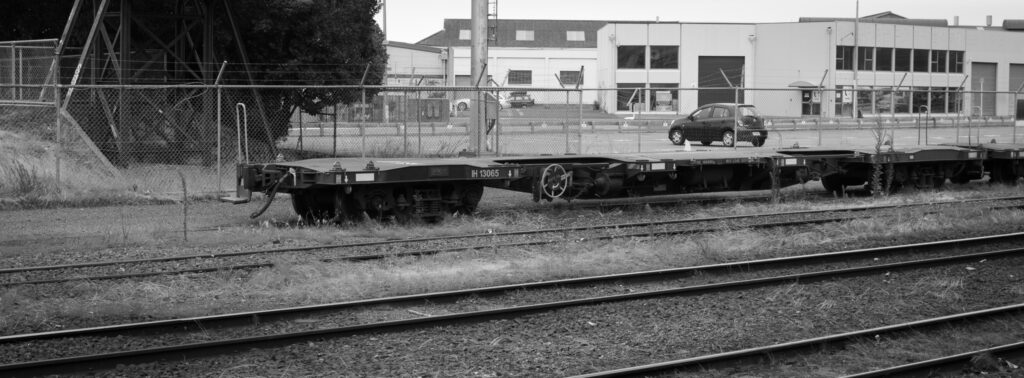
I have a feeling I’m going to be using this crop a lot.